Interior decorating without a gut renovation
Interior decorating for Saskatoon homes means soft finishes and furnishings: space planning, furniture selection, lighting layers, textiles, artwork, and styling. It is the path for homeowners who want a room to feel finished without moving walls or hiring a registered Interior Designer for construction drawings.
In Saskatchewan, title language matters. This page is about decorating help. Kitchen gut jobs, permit drawings, and code consulting belong with IDAS-registered Interior Designers or general contractors—firms Saskatoon Redditors often name for renovations. Use decorating when the structure is fine and the finishes need clarity.
What a decorating scope usually includes
- Space planning — traffic flow, furniture footprints, and how the room is actually used
- Furniture selection — anchor pieces first, then layers that fit scale and budget
- Lighting and textiles — lamps, rugs, drapery coordination, and durable fabrics for everyday living
- Accessory styling — the finishing layer that makes a room feel settled
- Optional procurement — shopping, ordering, and install coordination when that service is offered
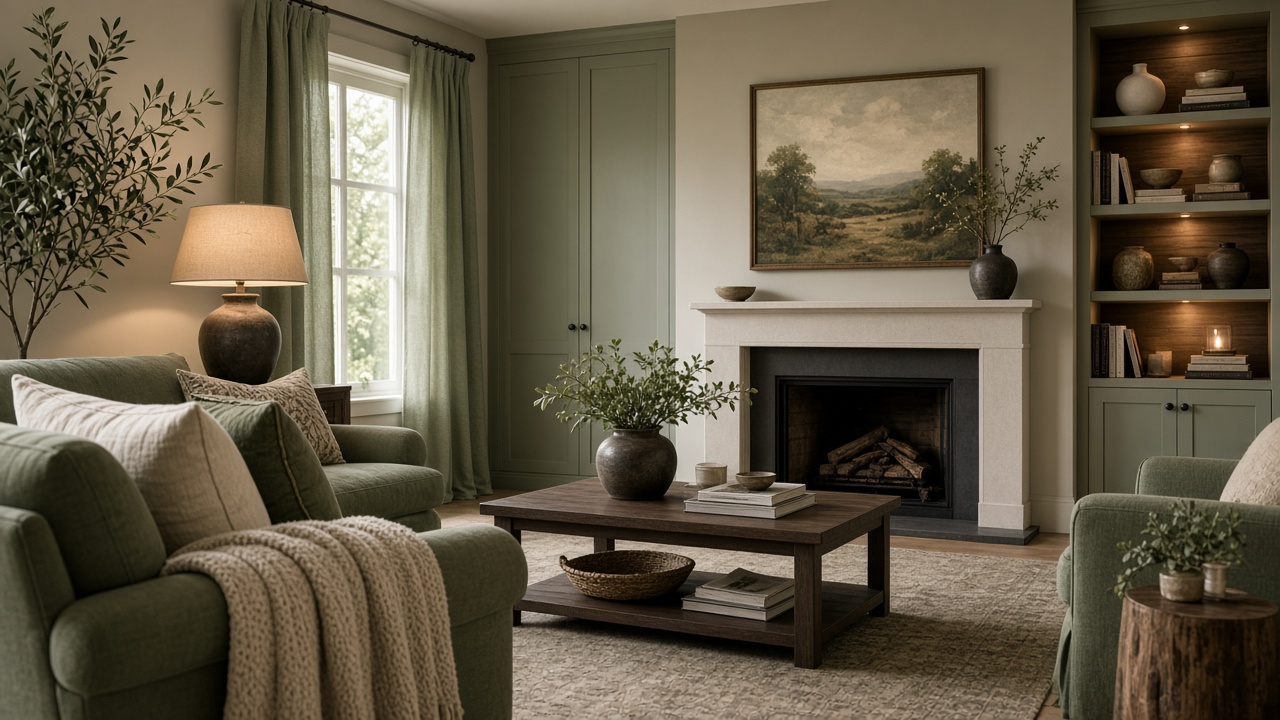
Design-only versus shop-and-install
Some clients want a plan and shopping list they can execute themselves. Others want the decorator to order, accept deliveries, and style the final day. Contracts should state who places orders, who pays vendors, whether markups apply, and how revisions are billed. Ask for a written estimate that separates design fees from furnishings and installation.
Who this service fits
Strong fits include new movers furnishing one or more rooms, long-time owners ready for a refresh, households finishing a renovation with soft finishes, and people who feel stuck choosing among endless online options. Bring pets, kids, work-from-home needs, and keep-versus-replace lists to the first meeting.
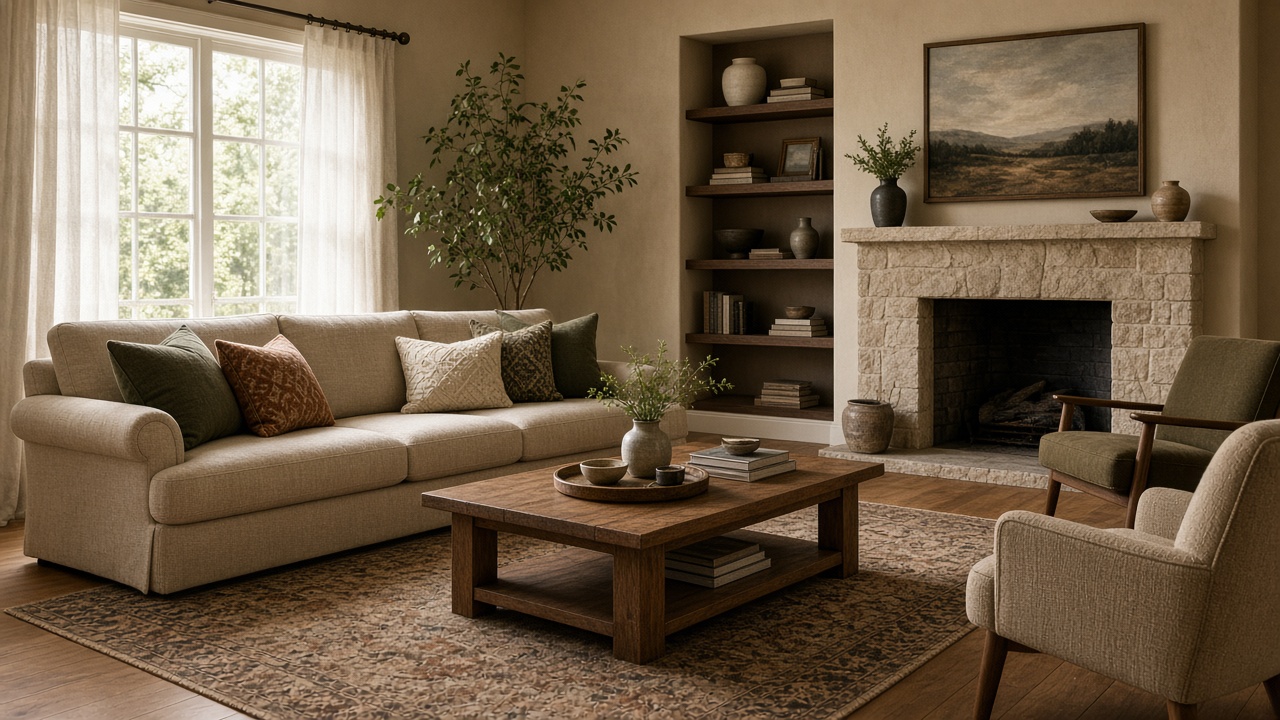
Timeline realities
Concept work can move in days to a few weeks. Furniture lead times often dominate—weeks to months depending on stock versus custom. Paint before new upholstery arrives once the palette is locked. Ask about typical lead times when you request a consultation.
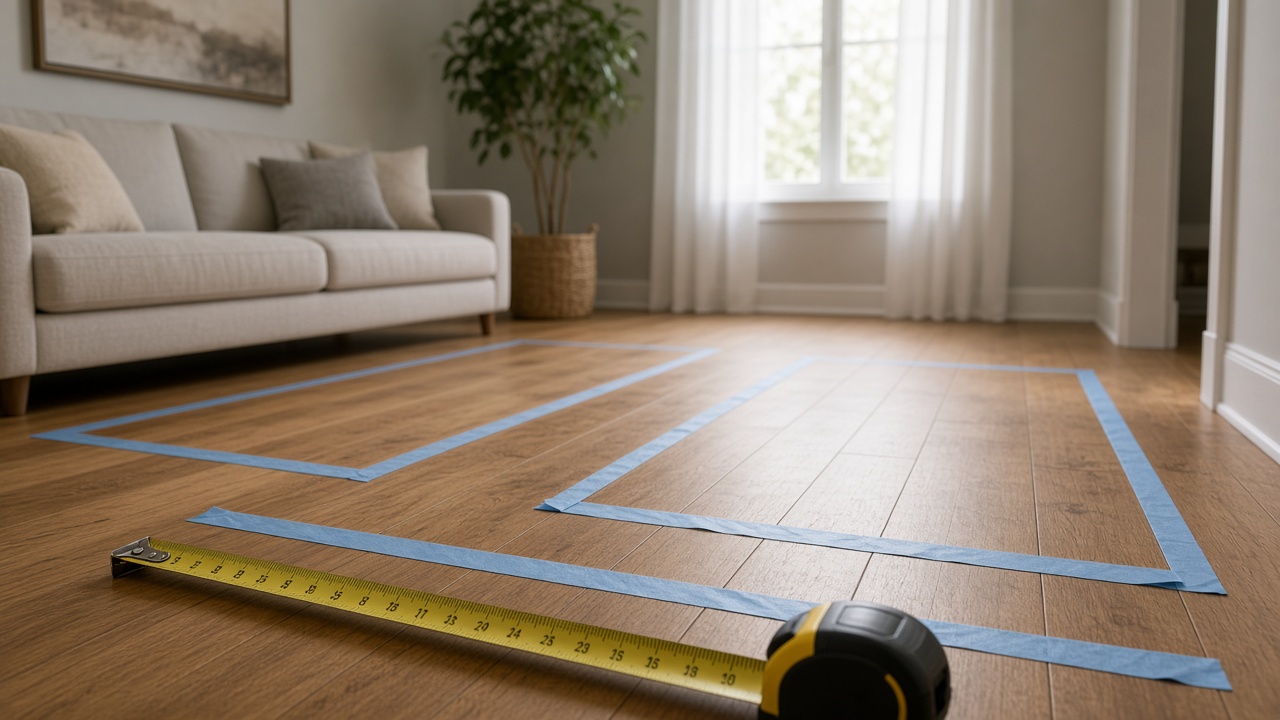
When to call a registered Interior Designer instead
Hire registered design help when you need construction drawings, permit documentation, major kitchen or bath redesign, or accessibility and code consulting. A good decorator will say when a project has crossed that line.
Frequently asked questions
Where do I start if the whole house feels dated and I don't know what to do first?
Start with the room you use most (often the living room) or the one that bothers you daily. Collect style references, set a product budget, then bring in a decorator for a scoped plan rather than boiling the ocean.
Can I refresh a room without a full renovation?
Yes — paint, lighting, textiles, furniture layout, and styling can transform a room without moving walls. Renovation is only required when layout, cabinetry, or systems must change.
How much does a room makeover / per-room design cost?
Cost depends on whether you want a plan and shopping list, procurement help, or full install and styling. Furnishings usually sit separate from design fees. Ask for a written estimate that lists inclusions for your rooms.
What is included — ideas only, or shopping and install?
Scopes vary: concept plus shopping list; procurement with trade pricing; or full install and styling. Contracts should state who orders, who pays vendors, markup versus hourly, and who manages deliveries.
How do I avoid feeling overcharged on hourly design work?
Ask for estimated hours by phase, revision limits, what deliverables look like, and whether research or admin time is billed. Compare at least two quotes on the same scope.
Will a decorator keep my pets, kids, and real life in mind?
Lifestyle fit is a core decorating brief — durable fabrics, washable paints, and pet-friendly layouts should be discussed up front. Bring constraints to the consult.
How long does a typical room decorating project take?
Concept can take days to a few weeks; furniture lead times often dominate for weeks to months. Confirm timeline once pieces are selected. Ask about typical lead times when you request a consultation.
Can we reuse pieces I already own?
Yes — rearranging and editing what you have is often half the win, then filling gaps with targeted purchases. Inventory keep, donate, and replace at the first visit.
Should I paint before or after furniture arrives?
Usually paint and major flooring before new upholstered furniture arrives, after the palette is locked to the large pieces you will keep or buy. Exact sequence depends on what is being replaced.
When should I hire a registered Interior Designer instead?
When you need construction drawings, permit documentation, major kitchen or bath redesign, or code and accessibility consulting — typical of the firms Saskatoon homeowners often recommend for renovations.