Home staging for Saskatoon sellers
Staging prepares a property for the market: clearer pathways, quieter personal collections, and furniture scaled to the architecture so buyers can imagine living there. It is different from decorating for your long-term taste. If you are staying, book decorating. If you are listing soon, start with staging logic.
Occupied versus vacant
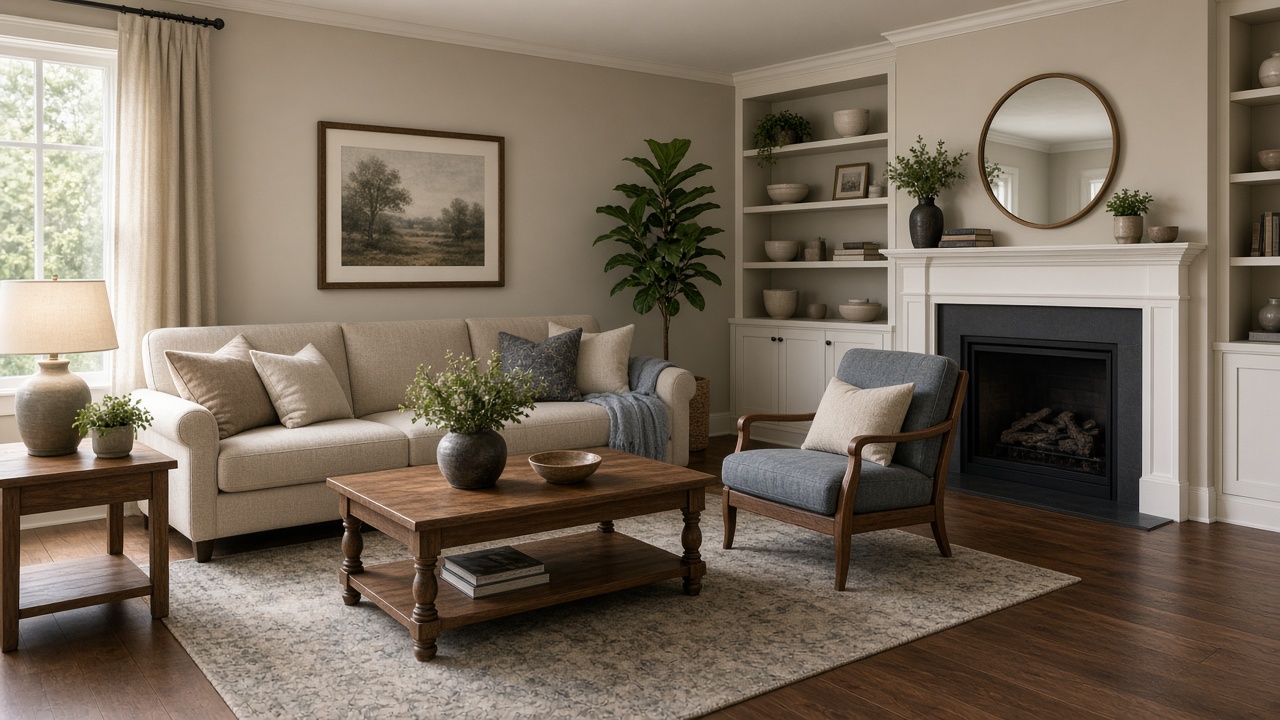
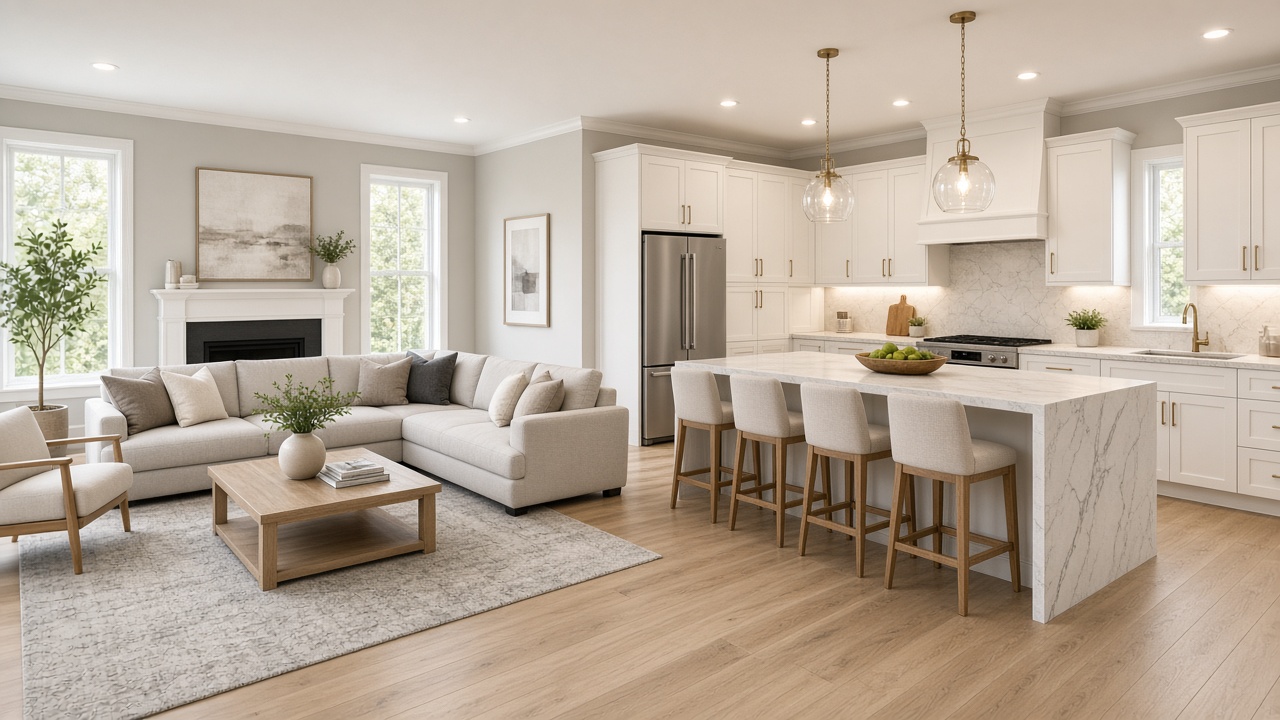
Occupied staging edits what you already own—declutter, rearrange, and sometimes add small rentals. Vacant staging delivers rented furniture and décor for empty rooms. Vacant packages cost more because rental inventory and install labour are included. Compare written scopes for your rooms and listing timeline, then ask for a written estimate.
Money rooms that matter
Prioritize living room, dining or kitchen, primary bedroom, ensuite, and main bath. Kitchen and primary suite often sway buyers most. Always declutter, repair, and clean first—then decide whether full furniture rental is necessary for your price point and buyer pool.
Honest outcomes
Canadian analyses more strongly associate staging with fewer days on market than with proven sale-price premiums. Treat “sells for X% more” marketing carefully. Compare staging cost to the size of a likely price cut if a listing stalls. Relist cases often improve after presentation work—but pricing and repairs still matter.

Investor and condo caveats
If the likely buyer is an investor, full vacant lifestyle staging may not pay. Ask your realtor who the audience is; a lighter tidy and photo prep can be enough for some stock.
Frequently asked questions
Which rooms matter most when staging to sell?
Prioritize living room, dining or kitchen, primary bedroom, ensuite, and main bath — the money rooms. Kitchen and primary suite often sway buyers most.
How much does vacant home staging cost in Saskatoon?
Vacant furniture packages cost more than occupied consults because rental inventory and install labour are included. Duration, room count, and whether you extend after the first listing period drive the total. Ask for a written estimate for your listing timeline.
What if my house doesn't sell in the first month?
Vacant packages are usually priced for an initial period; continuing typically means ongoing furniture rental. Budget a possible extension in slower markets.
Occupied vs vacant staging — what's the difference?
Occupied staging edits and rearranges what you own, sometimes with small rentals. Vacant staging brings in a full furniture and décor package. Occupied consults are typically lighter scopes; vacant packages include rental inventory and install labour.
Is staging worth it, or should I just declutter and clean?
Always declutter, repair, and clean first. Staging helps most when rooms are empty, oddly used, or hard to visualize; in hot segments, tidy homes can sell without full furniture packages. Decide after an honest market read with your realtor.
Do staged homes sell for more money?
A Canadian condo MLS analysis found staging associated with fewer days on market but not strong evidence of higher final sale prices. Treat sells-for-X-percent-more marketing claims cautiously; compare staging cost to the size of a likely price cut if the listing stalls.
Can you use my furniture for staging?
For occupied staging, stagers typically keep as much of your suitable furniture as possible and edit the rest. Vacant homes usually need rented pieces.
How much is a staging consultation?
Staging consultations usually cost less than vacant furniture packages. Ask what is included—walk-through notes, declutter priorities, colour advice, and whether small rentals are optional—then compare written scopes.
Will staging help if my home already sat on the market?
Relist cases often improve photos and first impressions after declutter, paint, and staging edits — but pricing and repairs still matter. Ask your realtor whether the issue is presentation, price, or condition.
Should I stage a condo if the buyer might be an investor?
Maybe not at full vacant cost — some investor buyers ignore lifestyle staging. Ask your realtor who the likely buyer is; a lighter tidy and photo prep may suffice for investor-heavy stock.